
Death Cap
A focused death cap mushroom identification example that explains what a single scan can show, what it can’t, and which next checks to prioritize for safety.
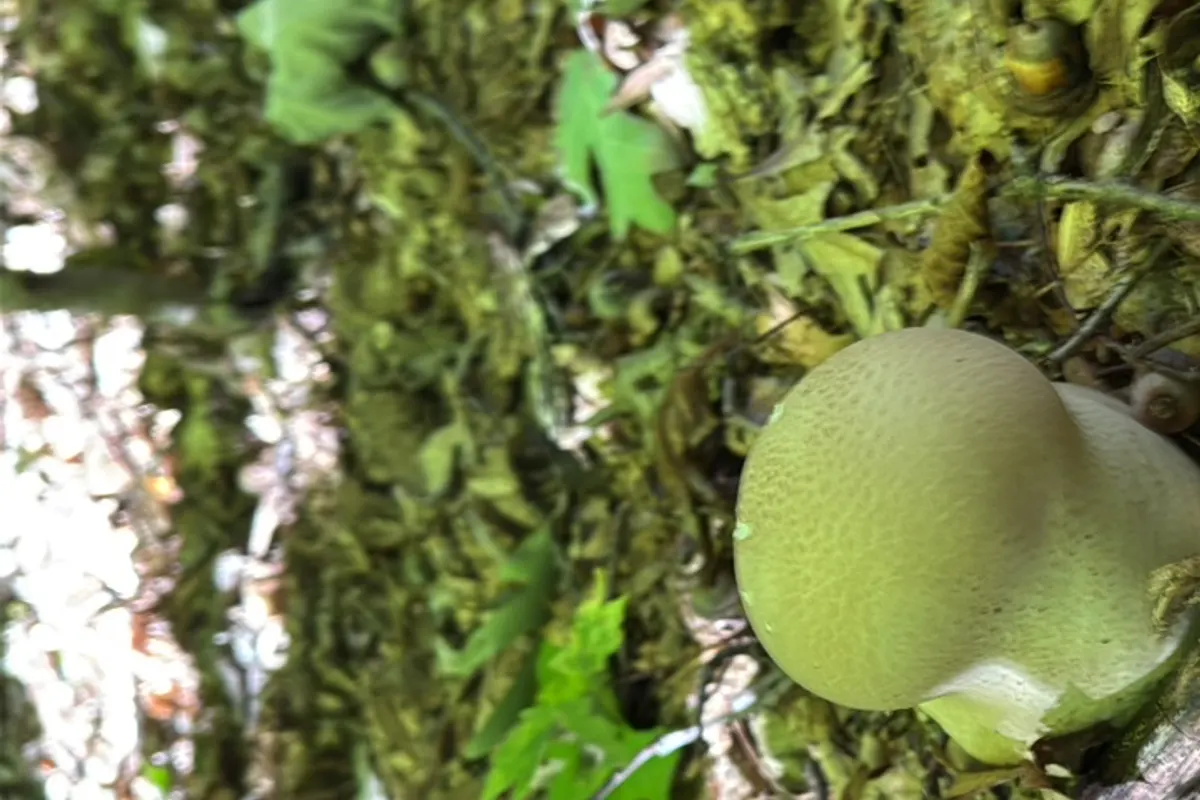
Identification summary
This record is a structured example for death cap mushroom identification created from a single scan entry dated 2026-09-26T20:07:36.058Z. The scan metadata lists the specimen as a death cap example, but the record contains no additional measured attribute fields or a stated confidence score.
Because the scan fields are empty, this summary treats the recorded identification label as the topic for an evidence-led examination rather than as proof of toxicity or exact species confirmation. The purpose is to show which photographic clues commonly matter and which checks a photo alone cannot replace.
Treat the item here as an example: the identification date is recorded, but visual, microscopic, and habitat details that would allow an expert verification are not present in the scan data and must be collected before relying on the result.
Authentication
| Recorded identification date | 2026-09-26T20:07:36.058Z (scan record) |
|---|---|
| Scan confidence | Not provided in scan data |
Physical Details
| Cap, gills, stem, spore print | Not provided in scan data |
|---|
Origin
| Location / habitat | Not provided in scan data |
|---|
Condition
| Specimen condition | Not provided in scan data |
|---|
Historical Significance
| Market or provenance notes | Not applicable for natural specimen |
|---|
Value
| Estimated value | Not applicable / not provided |
|---|
Keep identifying
Browse more identifications across every category.
Browse all examplesRelated guides
Have your own poisonous mushroom identification identified
After you collect multiple views and habitat notes, use Mushroom Identifier: Fungio to organize those images and compare visible clues side by side. Fungio can help you track which photos are missing and guide the next evidence-gathering steps. Try the free identification tool to start sorting and reviewing your set: https://mushroomidentification.app/tools/free-mushroom-identifier. Remember: the app is a way to manage evidence, not a substitute for expert verification when safety is at stake.
Take the next step →Frequently asked questions
Is this poisonous mushroom identification if I only have a single photo of the cap?
No. A single cap photo is rarely sufficient to claim poisonous mushroom identification. The stem base, presence of a volva, gill attachment, spore print, and habitat context are all required to raise confidence. Collect more photos and habitat notes before treating the label as definitive.
What photographic clues are most decisive for death cap mushroom identification?
The most decisive clues are an intact volva at the stem base, a white spore print, free gills, and cap texture and color in the correct ecological context. Close-up photos of gills and the stem base are especially useful; without them, many lookalikes cannot be ruled out.
Can a single photo confirm toxicity for medical guidance?
No. Toxicity cannot be confirmed from a photo alone. If ingestion or exposure is suspected, seek immediate medical advice or contact poison control—do not wait for photographic confirmation.
How should I proceed if I suspect a death cap growing near my home?
Keep people and pets away from the area, document the fungus with multiple photos and habitat notes, and contact a local mycology group or public health authority for disposal advice. If anyone was exposed, call emergency services or poison control right away.