Edible Mushroom Identification
Edible Mushroom Identification: Visual Clues, Examples, and Safe Next Steps
Learn which visual clues reliably narrow edible mushroom identification, which checks a photo can’t prove, and the safe next steps before relying on a result.
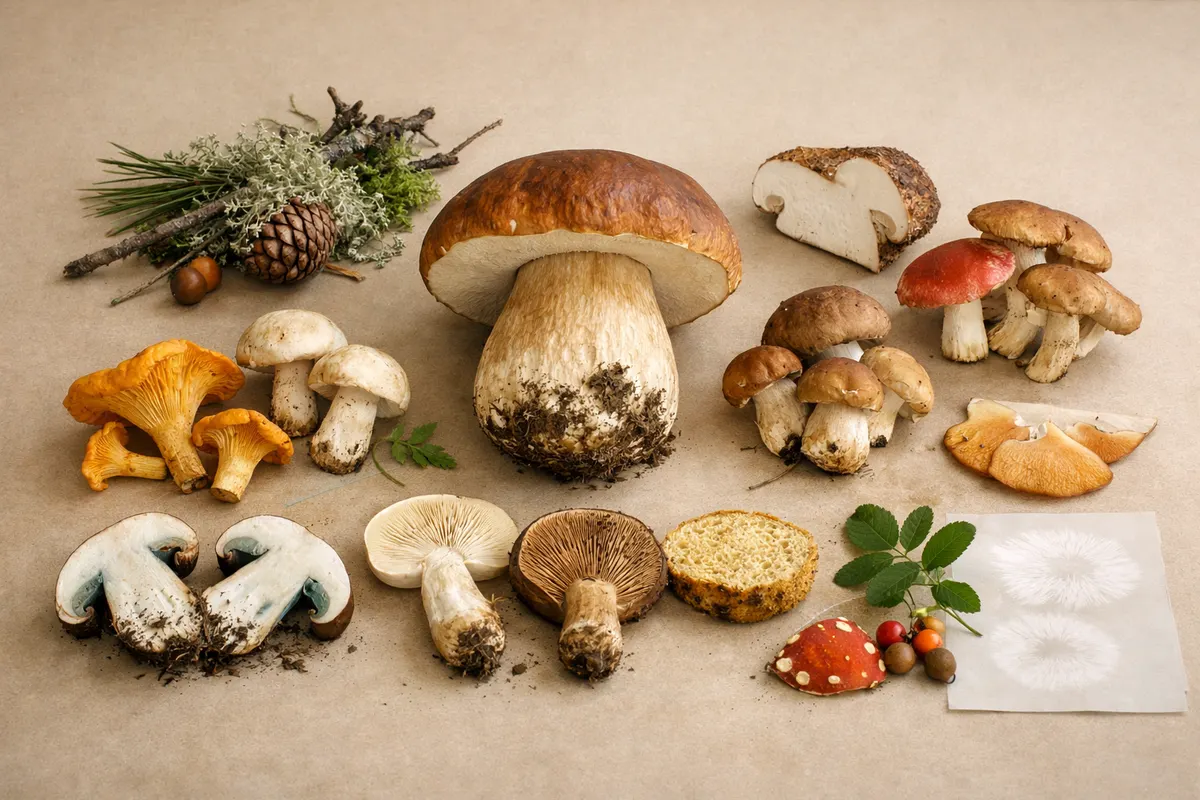
Use a photo as a fast first pass to narrow what kind of edible mushroom you’ve found. A clear set of images—cap top, cap edge, gill or pore underside, stem detail, and nearby substrate—lets an identification system return a short list of plausible species and the field marks that match each candidate.
Photos cannot prove edibility by themselves, but they often show the most decisive visible traits: cap texture, gill attachment, stem ring or volva, and habitat. That early narrowing helps you decide which follow-up checks and reference comparisons matter most.
After you review visible clues, a structured result will tell you which features matched, which remain ambiguous, and what extra photos or local checks would reduce risk. That makes a photo-driven ID a useful triage step before handling, tasting, or foraging further.

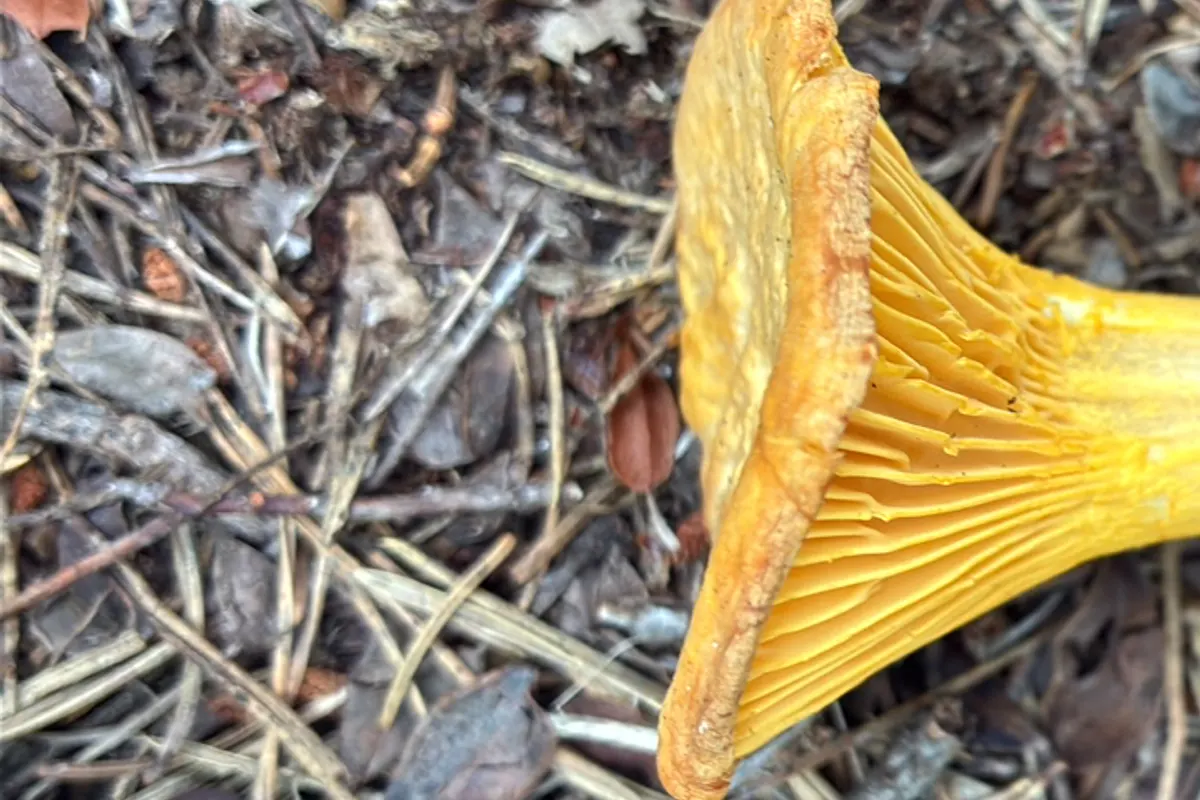
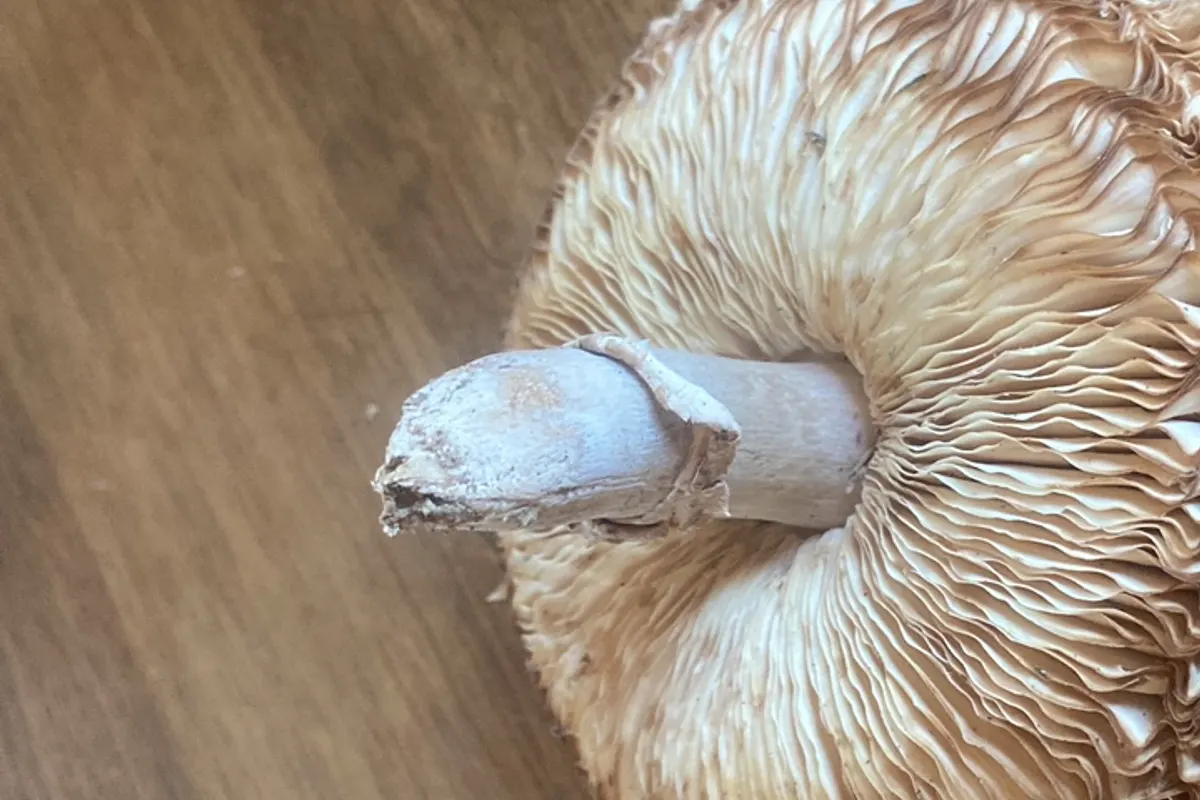
Real Edible Mushroom Identification identifications
View all examples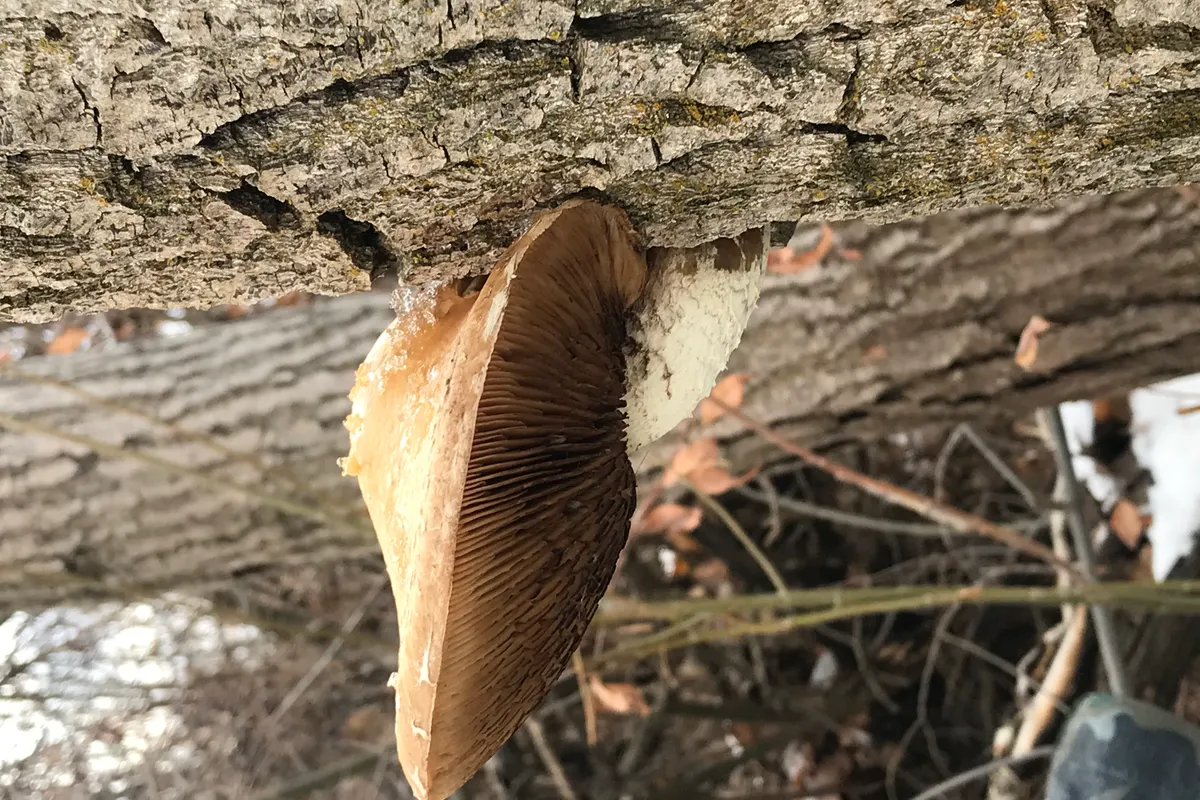
How identification works
Step 1
Snap a photo
Take a clear, well-lit photo of your item in the Mushroom Identifier: Fungio app.
Step 2
Get an instant identification
The app reads the visible clues and returns the closest matches in seconds.
Step 3
Review the details
Check the attributes, rarity, and estimated value range before deciding your next step.
Edible mushroom identification: 6 visual signals to check
Before using an identification app or comparing guidebooks, gather photos that capture the signals experts rely on. Good evidence beats guesswork: cap shape and surface texture, the pattern where gills or pores meet the stem, stem base details, spore color clues, odor notes, and habitat substrate all shift the probability toward specific edible groups.
Take multiple close photos from different angles and a wider shot showing the setting. A single top-down cap photo can suggest a group, but gill attachment and stem base are often the most decisive visual signals for edible mushroom identification.
Use these quick checks on site to see how confident you can be before you continue: if multiple signals match a known edible group and no key lookalike traits are present, the photo-driven result can move you from 'unknown' to 'candidate list'—not to 'safe to eat.'
- Cap shape and surface: smooth, scaly, sticky, or fibrillose and whether the margin is inrolled or flattened.
- Gills, pores, or teeth: how they attach to the stem (free, adnate, decurrent) and whether they change color when bruised.
- Stem features and base: presence of a ring, volva, persistent bulb, or rooting base that indicates certain edible genera.
- Spore color hints: photograph a white or brown spore print on paper if possible; visible spore dust under a cap can also help.
- Habitat and substrate: growing on wood, leaf litter, lawn, or dung is a crucial context clue for edible mushroom identification.
- parasol mushroom identification — look for a large scaly cap, tall slender stem with a movable ring, and central bulbous base as visible signals.
Edible mushroom identification: what a photo result shows
A typical photo-based result lists candidate species and highlights which field marks in your images matched each candidate: cap pattern, gill attachment, stem ring, volva or bulb, substrate, and estimated spore-color group. Results also flag conflicting or missing evidence so you can take targeted follow-up photos.
For edible mushroom identification the output emphasizes risk factors—similar poisonous lookalikes and any absent traits that prevent a confident match—rather than a single definitive label. The report will often suggest the next best photos to take (e.g., stem base in soil, gill close-up, cross-section).
You may also see example matches from the app’s reference library and links to deeper guides like Mushroom Visual Checklist: Common Clues, Lookalikes, and Next Steps so you can compare high-quality images and field notes for the leading candidates.
- Candidate species with matched field marks and an evidence score for each.
- Which photos or missing views most affect confidence and what to photograph next.
- A short list of common lookalikes the photo can or cannot exclude visually.
Edible mushroom identification: common lookalikes to watch
Many edible mushrooms have dangerous doppelgängers that a single photo can’t always rule out. The most useful photo evidence catches the telltale differences: a volva at the stem base, color changes when bruised, or gill spacing that separates edible from toxic groups.
Use photos to screen for the highest-risk lookalikes first—white-capped species that could be Amanita relatives, bolete-like mushrooms that bruise blue, or round puffballs that might hide an immature gilled cap inside. Where the photo leaves doubt, follow-up physical checks or expert consultation are essential.
When a lookalike is common in your area, the result will point it out and list the exact field marks that differ so you can confirm by photographing those features.
- Mosaic puffball identification — check interior tissue: true puffballs show uniform white flesh inside, while immature gilled mushrooms show cap structures when cut.
- Young Amanita vs. edible agaric: look for a volva or distinctive bulb at the base that a top-down photo can miss.
- Bolete confusion: pore color and bruising help separate edible boletes from bitter or toxic species; photograph pore surface and any color change.
- Small round fungi in lawns: some are harmless puffballs but others are earthballs—careful examination of interior and texture is needed.
Frequently asked questions
Oyster mushroom identification: What photos should I take when I find one?
To narrow down oyster mushroom identification, photograph a side view showing the oyster-shaped cap and crowded decurrent gills, the cap underside close-up, the attachment to the substrate (often wood), and a wider shot showing the cluster pattern. Note odor and season in your note—these contextual clues help separate true Pleurotus species from lookalikes.
Common earthball mushroom identification: How can I tell if a round fungus in my yard is an earthball or a safe puffball?
For common earthball mushroom identification, cut the specimen vertically: a true puffball is solid white inside when young, while an earthball shows darker, patchy or marbled interior tissue and often a tougher, warted surface. Photograph the outer texture and the cut interior before making any handling decisions; if the interior shows structure, treat it as a possible earthball.
Can a photo prove that a mushroom is edible?
No single photo can definitively prove edibility. Photos can strongly narrow candidates and reveal critical field marks, but many edible species have poisonous lookalikes that require additional checks—smell, taste tests performed only by experts, sporeprints, or microscopic features. Treat photo IDs as a triage tool and follow the recommended next steps before assuming safety.
What are the safest next checks after a photo-based identification?
After a photo-based identification, take targeted supplemental photos (stem base, gill attachment, spore print), compare those with reliable references, and consult a local expert or community with your images and location. If any high-risk lookalikes are listed, stop and get verification; do not taste or consume unless multiple independent, evidence-led sources confirm safety.
Related guides
Try Mushroom Identifier: Fungio after you narrow the candidates
After you gather the visible clues and target the likely group, use Mushroom Identifier: Fungio on your device to turn those photos into an evidence-centered candidate list. The app highlights which field marks matched, which remain missing, and the specific next photos to take—so you can move from “possible” to “better supported” without overstating certainty.