
Oyster Mushroom
Learn which oyster mushroom identification details a photo can prove, which it cannot, and the follow-up checks worth doing before you rely on the result.
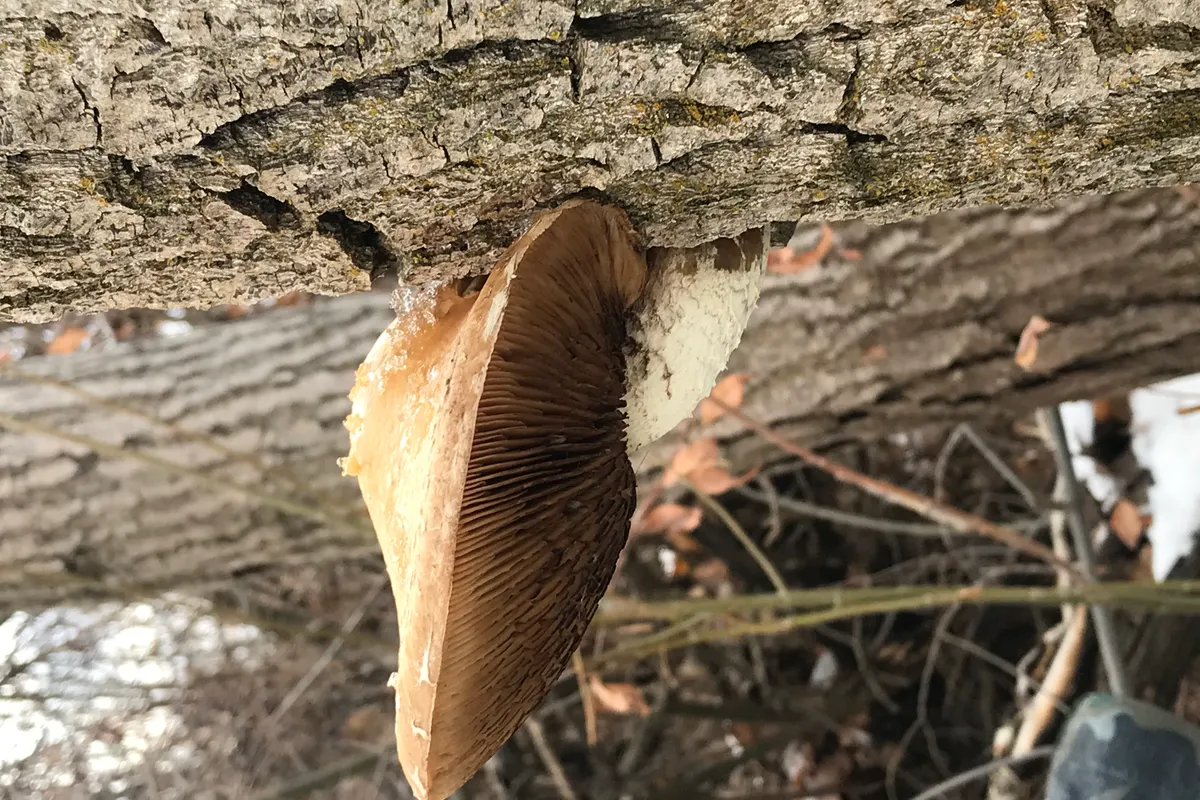
Identification summary
This entry illustrates an oyster mushroom identification example anchored to a submitted scan record. The scan metadata (source: scans) shows an identifiedAt timestamp of 2025-12-08T19:43:24.950Z and does not include a structured confidence score or populated field entries.
Because the attached scan fields are empty, the narrative below treats the record as an example case: it explains which visible clues are most decisive for oyster mushroom identification and which follow-up checks the scan would need before anyone relied on this single record for edibility judgments.
Use this example to learn what a complete scan looks like and which missing observations (gill attachment, spore print, substrate notes, scale) most limit a confident outcome when performing oyster mushroom identification from photos alone.
Record
| Source | scans |
|---|---|
| Identified at | 2025-12-08T19:43:24.950Z |
| Confidence | not provided in scan |
Reported details
| Structured fields | none provided |
|---|
Verification
| Photographic evidence | no structured photo-field metadata recorded in scan |
|---|
Notes
| Follow-up needed | gill closeups, underside, spore print, substrate/location, scale |
|---|
Historical context
This record is presented as an editorial example tied to oyster mushroom identification practices rather than a finished, verified determination. Oyster-group fungi are commonly collected and sold in markets worldwide, but the commercial context does not substitute for species-level verification from multiple field marks and, when necessary, microscopy.
Because the scan contains no measured fields, it cannot confirm provenance, handling history, or edibility. Treat this entry as a demonstration of which scan elements reliably support identifications and which gaps require cautious follow-up.
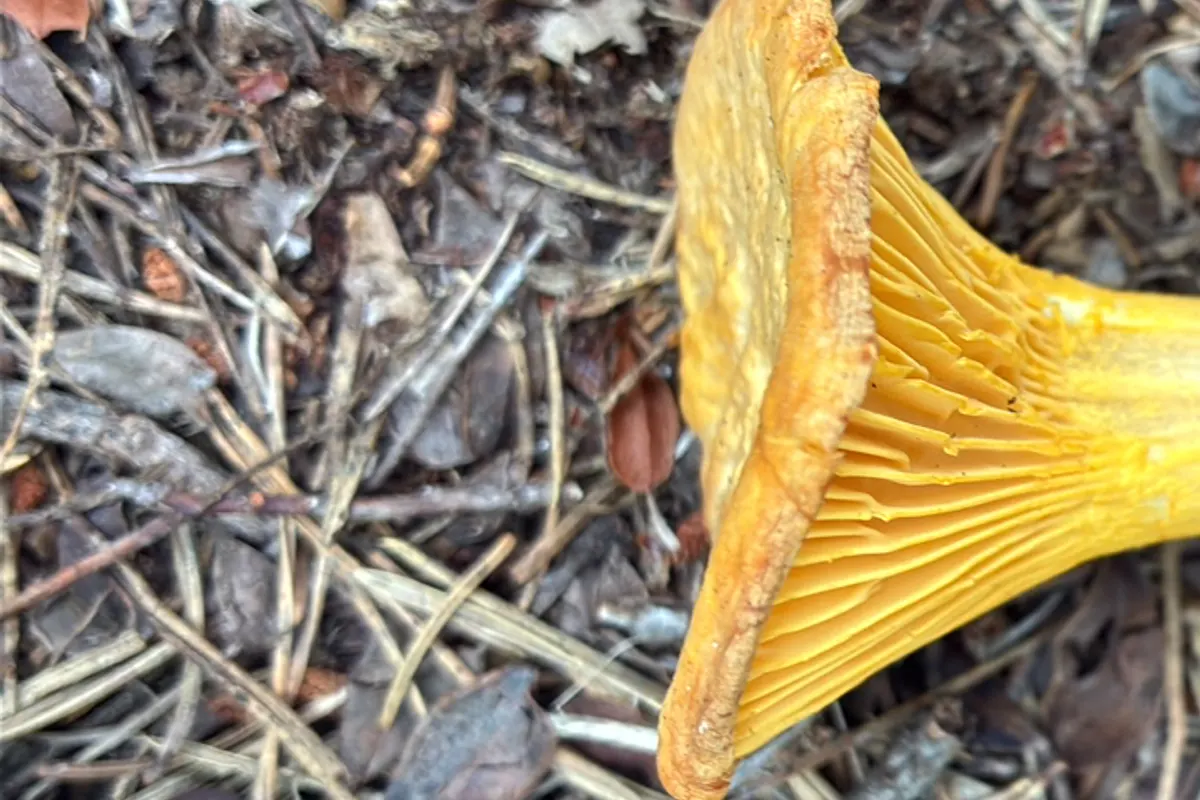
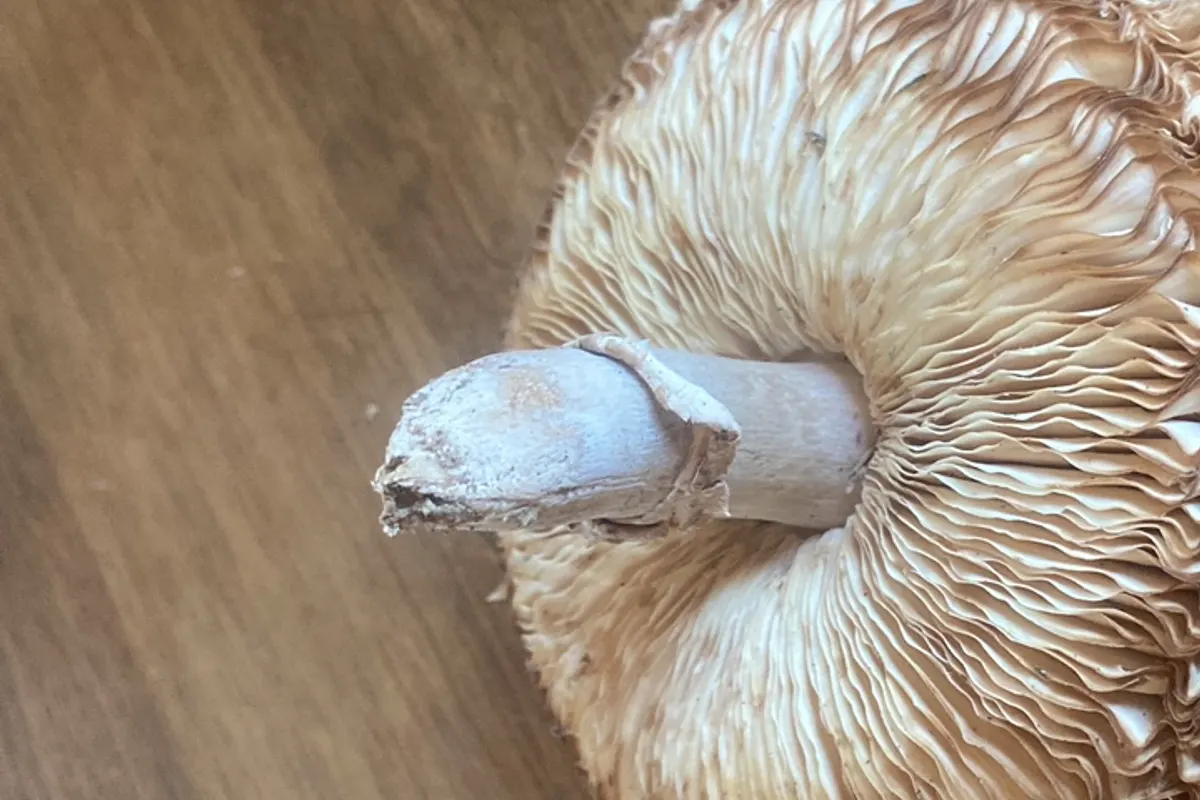
More Edible Mushroom Identification identifications
Keep identifying
Read the full category guide for the visual clues behind this identification.
Edible Mushroom Identification: Visual Clues, Examples, and Safe Next StepsRelated guides
Have your own edible mushroom identification identified
Use Mushroom Identifier: Fungio to attach and organize the photos and notes this example recommends: underside closeups, substrate shots, and spore prints. The app helps you compare visible clues side by side so you can see which follow-ups a scan still needs. Fungio is a tool for organizing evidence—not a substitute for expert verification—so always seek a local expert before relying on photo-only identifications.
Take the next step →Frequently asked questions
What does it mean if the scan shows no confidence score?
A missing confidence score means the record lacks the structured data the identifier needs to quantify certainty. Without a recorded confidence value, treat the identification as provisional and review the scan for missing field marks such as gill attachment, substrate notes, and a spore print.
What follow-up photos help confirm an oyster mushroom identification?
Useful follow-ups are an underside closeup showing gill attachment, a wide shot that shows the substrate and growth habit, a photo with a scale object, and a spore print image. Together these reduce ambiguity between oyster-group species and small brown-gilled lookalikes.
When should I avoid eating a mushroom identified from a single photo?
Avoid consuming any mushroom identified from a single photo unless an experienced local mycologist has confirmed the identification with supporting evidence. Many edible species have toxic lookalikes that require multiple field marks or lab checks to rule out.
Can I use the example record to learn safe edible mushroom identification steps?
Yes. This example highlights which observations a reliable record contains: clear gill photos, substrate context, spore print, and scale. Use those checklist items to make your own scans more useful for identification while remaining cautious about edibility claims.