
Velvet Shank
Learn which velvet shank mushroom identification details a single scan can show, which checks are missing here, and what photos you should add next.
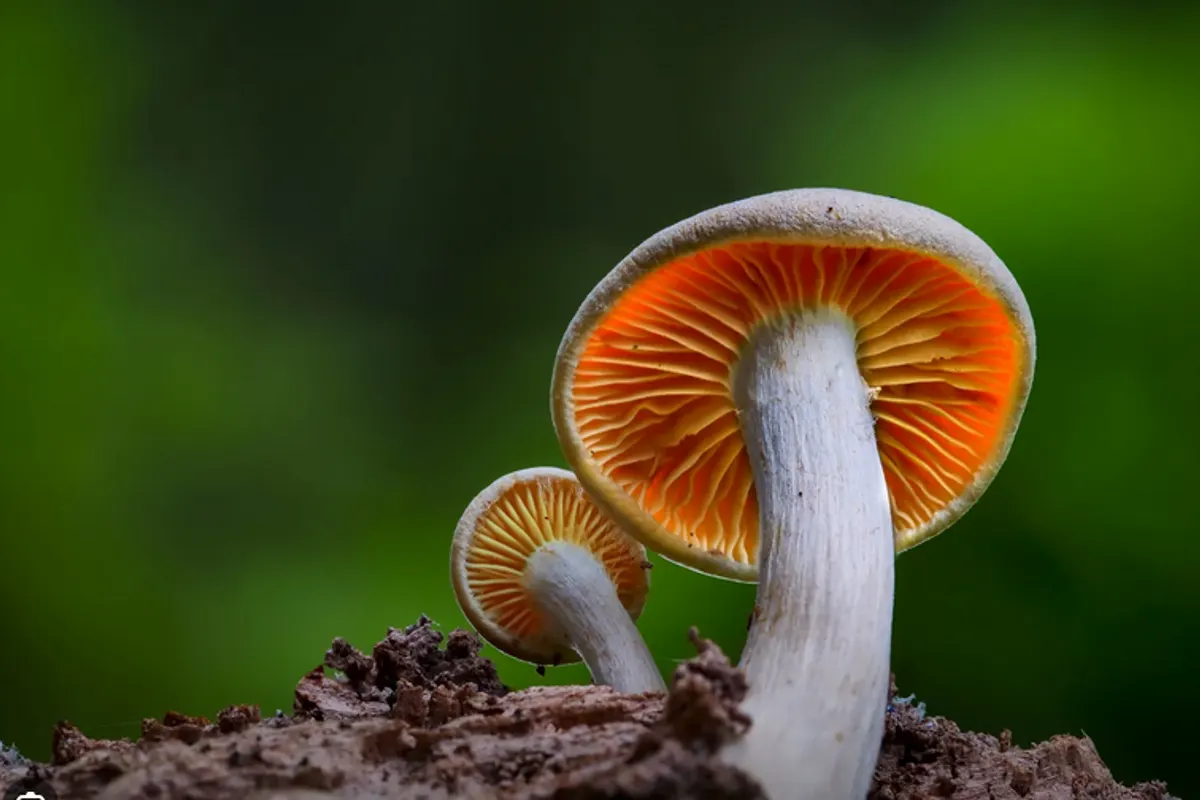
Identification summary
This entry is presented as a focused example of velvet shank mushroom identification using a single scan record. The supplied scan metadata records an identification timestamp but contains no photographed-field attributes or a reported confidence value, so the record cannot stand alone as a definitive species identification.
Velvet shank mushroom identification in practice depends on multiple visible and contextual clues (cap texture, gill attachment, stem traits, substrate and season) plus follow-up checks like spore print and habitat notes. Because the scan fields were not provided with this record, the example below treats the scan metadata as the authoritative evidence while explaining which additional checks would normally be needed.
Use this example to see how a structured identification result can report what is known from scan data, what remains unreported, and which specific follow-up photos and observations would most improve certainty.
Scan metadata
| Source | scans (provided example) |
|---|---|
| Identified at | 2026-01-19T16:41:54.851Z |
| Confidence | Not provided in scan fields |
Reported identity
| Species name in record | Not recorded in the supplied scan fields |
|---|
Photographic details
| Image fields | No photographed-field attributes included in scan |
|---|
Verification
| What the scan proves | Only that a scan record exists with the timestamp above; no photographic attributes were reported |
|---|
What remains open
| Unconfirmed or missing checks | Spore print, substrate, gill attachment, stem texture, habitat coordinates, and seasonal notes are not present |
|---|
Historical context
Velvet shank (common name used here as the subject of the example) refers to a group of wood-inhabiting, generally winter-fruiting gilled fungi valued in identification guides for their distinct substrate and seasonal habits. In field guides, velvet shank is often associated with Flammulina-like species, which are best distinguished using a combination of macroscopic features and simple tests such as spore prints.
A single metadata-only scan record—like the one documented here—cannot substitute for those follow-up checks. Historical collections and reliable identifications depend on habitat notes, multiple viewing angles, and sometimes microscopic or chemical tests; the absence of those elements in a scan explains why this record must be treated as incomplete.
More Gilled Mushroom Identification identifications
Keep identifying
Read the full category guide for the visual clues behind this identification.
Gilled Mushroom Identification: Visual Clues and Safe Next StepsRelated guides
Have your own gilled mushroom identification identified
After you collect the gill, stem, substrate, and spore-print photos described above, use Mushroom Identifier: Fungio to organize images and compare visible clues side-by-side. Fungio is a practical next step for sorting evidence and preparing a stronger record before seeking external confirmation: https://mushroomidentification.app/tools/free-mushroom-identifier
Take the next step →Frequently asked questions
Can a single photo confirm velvet shank mushroom identification?
A single photo can sometimes point strongly toward velvet shank, but confirmation usually requires multiple photographs and contextual notes. Important follow-ups include a gill-closeup, stem-base detail, substrate information, the season and location, and ideally a spore print. Without those, any species-level ID should be labeled provisional.
How does this record help with gilled mushroom identification when I only have one photo?
This record shows only that a scan event occurred (timestamp present) and contains no photographed-field attributes, so it provides little usable evidence for gilled mushroom identification. Use the timestamp as a useful metadata point, but add the specific photos and a spore print to make the identification meaningful.
What follow-up photos or checks most improve a velvet shank identification?
The most helpful additions are a clear underside/gill photo, a stem-base close-up showing texture, a wider shot showing the substrate (type of wood and how the mushroom is attached), and a spore print on white and dark paper. Notes on season and GPS location also help narrow possibilities.
Should I trust an app or community ID for edibility after a single scan record?
No. Never rely on a single metadata-only scan or a single community ID to determine edibility. Treat any identification from limited evidence as provisional, and seek multiple confirmations—including additional photos, spore print results, and an expert consultation—before making decisions about handling or consumption.